

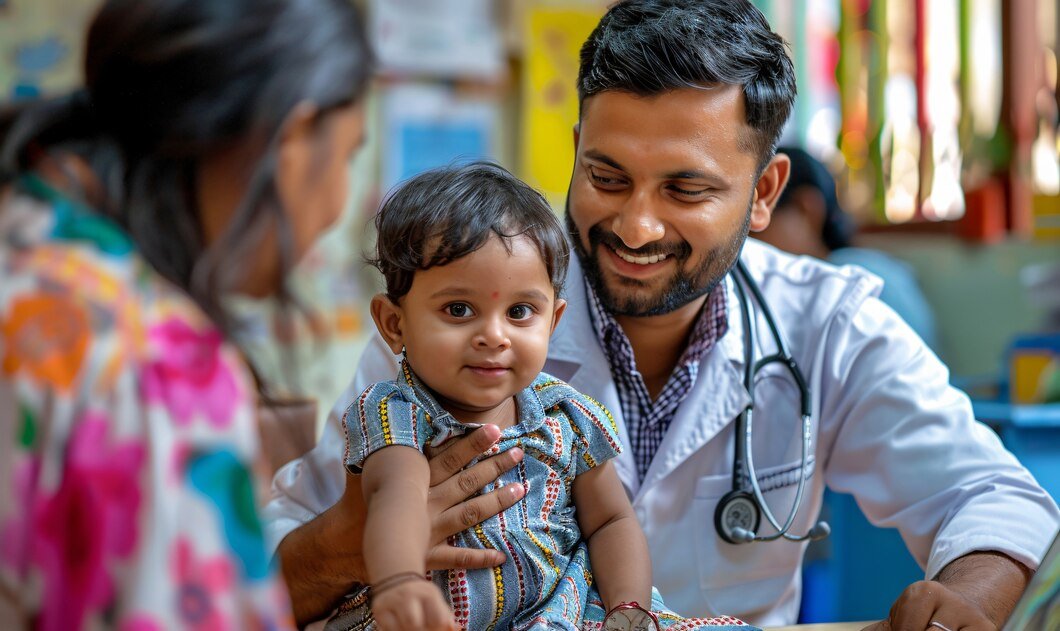
India’s healthcare system is one of the most diverse and rapidly evolving healthcare networks in the world. It combines centuries-old traditional healing systems like Ayurveda with advanced modern medical technologies and world-class hospitals. With a population of over a billion people, India faces both incredible opportunities and major healthcare challenges.
From affordable treatments and medical tourism to rural healthcare gaps and rising private hospitals, the Indian healthcare sector continues to transform at a remarkable pace.
The Foundation of Ayurveda in India
India is globally recognized as the birthplace of Ayurveda, one of the world’s oldest holistic healing systems. Ayurveda focuses on balancing the body, mind, and spirit through herbal remedies, dietary habits, yoga, meditation, and lifestyle changes.
For centuries, Ayurvedic medicine has remained an essential part of Indian healthcare. Even today, millions of people rely on Ayurvedic treatments for chronic illnesses, stress management, immunity boosting, and overall wellness.
The global popularity of Ayurveda has also positioned India as a wellness tourism destination, attracting visitors seeking natural healing therapies and preventive healthcare.
Growth of Modern Healthcare in India
Over the last few decades, India has made tremendous progress in modern healthcare infrastructure. The country now has thousands of hospitals, specialty clinics, research centers, and diagnostic laboratories equipped with advanced medical technologies.
Major Indian cities such as Hyderabad, Bengaluru, Mumbai, and Delhi are home to internationally accredited hospitals that offer treatments in cardiology, oncology, neurology, organ transplantation, and robotic surgery.
India has also become a major center for affordable healthcare services, making it a preferred destination for international patients seeking high-quality treatment at lower costs.
Rise of Private Healthcare Providers
The private healthcare sector in India has experienced rapid expansion in recent years. Private hospitals and clinics now play a major role in delivering healthcare services across urban and semi-urban regions.
Many patients prefer private healthcare because of:
- Faster treatment and shorter waiting times
- Advanced medical facilities
- Personalized patient care
- Better hospital infrastructure
- Access to specialist doctors
However, private healthcare can often be expensive for middle-class and low-income families, especially without proper health insurance coverage.
Major Challenges Facing India’s Healthcare System
Despite remarkable progress, India’s healthcare system continues to face several critical challenges.
1. Unequal Access to Healthcare
One of the biggest concerns is the gap between urban and rural healthcare services. Metropolitan cities have access to advanced hospitals and specialists, while many rural regions still struggle with:
- Lack of hospitals
- Shortage of doctors and nurses
- Poor transportation facilities
- Limited emergency medical services
This healthcare inequality affects millions of people living in remote villages.
2. High Out-of-Pocket Medical Expenses
A large portion of India’s population still pays medical expenses directly from personal savings. Unexpected healthcare costs can create severe financial stress for families, especially during emergencies or chronic illnesses.
Although government health insurance schemes are expanding, affordable healthcare coverage remains a major issue.
3. Healthcare Infrastructure Gaps
India’s healthcare infrastructure is improving, but many government hospitals continue to face challenges such as:
- Overcrowding
- Limited medical equipment
- Staff shortages
- Inadequate rural healthcare centers
Investments in healthcare infrastructure are essential to meet the growing medical demands of the population.
4. Quality and Standardization Issues
Healthcare quality varies significantly between hospitals and regions. While some hospitals meet international standards, others struggle with outdated equipment and inconsistent patient care.
Ensuring standardized healthcare services across the country remains a key priority.
Advantages of India’s Healthcare System
1. Affordable Medical Treatments
Compared to many Western countries, medical procedures in India are significantly more affordable. This affordability has contributed to the rise of medical tourism in India.
Patients from countries across Asia, Africa, Europe, and the Middle East visit India for surgeries, dental care, fertility treatments, and specialized therapies.
2. Skilled Healthcare Professionals
India produces thousands of highly qualified doctors, nurses, pharmacists, and healthcare technicians every year. Indian healthcare professionals are respected worldwide for their expertise and medical training.
3. Strong Medical Tourism Industry
India has emerged as a global medical tourism hub because of:
- Affordable healthcare costs
- Advanced treatment options
- English-speaking medical staff
- Modern hospital infrastructure
Medical tourism continues to contribute significantly to the Indian economy.
Lesser-Known Facts About India’s Healthcare Sector
1. Telemedicine is Transforming Rural Healthcare
The growth of telemedicine in India is helping patients in remote areas consult doctors through digital platforms. Telehealth services became especially important after the COVID-19 pandemic.
Digital healthcare solutions are now improving healthcare accessibility across the country.
2. Healthcare Startups are Rapidly Growing
India’s healthcare startup ecosystem is expanding quickly. Innovative companies are developing solutions in:
- Online doctor consultations
- AI-powered diagnostics
- Health tracking apps
- Pharmacy delivery services
- Remote patient monitoring
These innovations are reshaping the future of healthcare in India.
3. Mental Health Awareness is Increasing
Mental health was once heavily stigmatized in India, but awareness is gradually improving. More people are now seeking professional help for anxiety, depression, stress, and emotional well-being.
The expansion of mental healthcare services is becoming an important part of India’s healthcare transformation.
The Future of Healthcare in India
India’s healthcare future depends on balancing traditional healing methods with modern medical advancements. Several important steps can strengthen the system further:
- Expanding rural healthcare services
- Improving health insurance coverage
- Investing in healthcare infrastructure
- Increasing digital healthcare access
- Enhancing medical education and training
- Integrating Ayurveda with evidence-based modern medicine
Government initiatives, private investments, and healthcare innovation together can help create a more accessible and efficient healthcare system for all citizens.
Conclusion
India’s healthcare system is a unique combination of ancient traditions and modern medical advancements. From the wisdom of Ayurveda to cutting-edge surgeries and digital healthcare technologies, India continues to evolve as a global healthcare leader.
However, challenges such as unequal healthcare access, infrastructure limitations, and financial burdens still need urgent attention. By improving healthcare accessibility, strengthening infrastructure, and promoting quality care, India can build a healthcare system that is both affordable and world-class.
As healthcare awareness grows and innovation accelerates, India has the potential to become one of the strongest healthcare ecosystems in the world.