

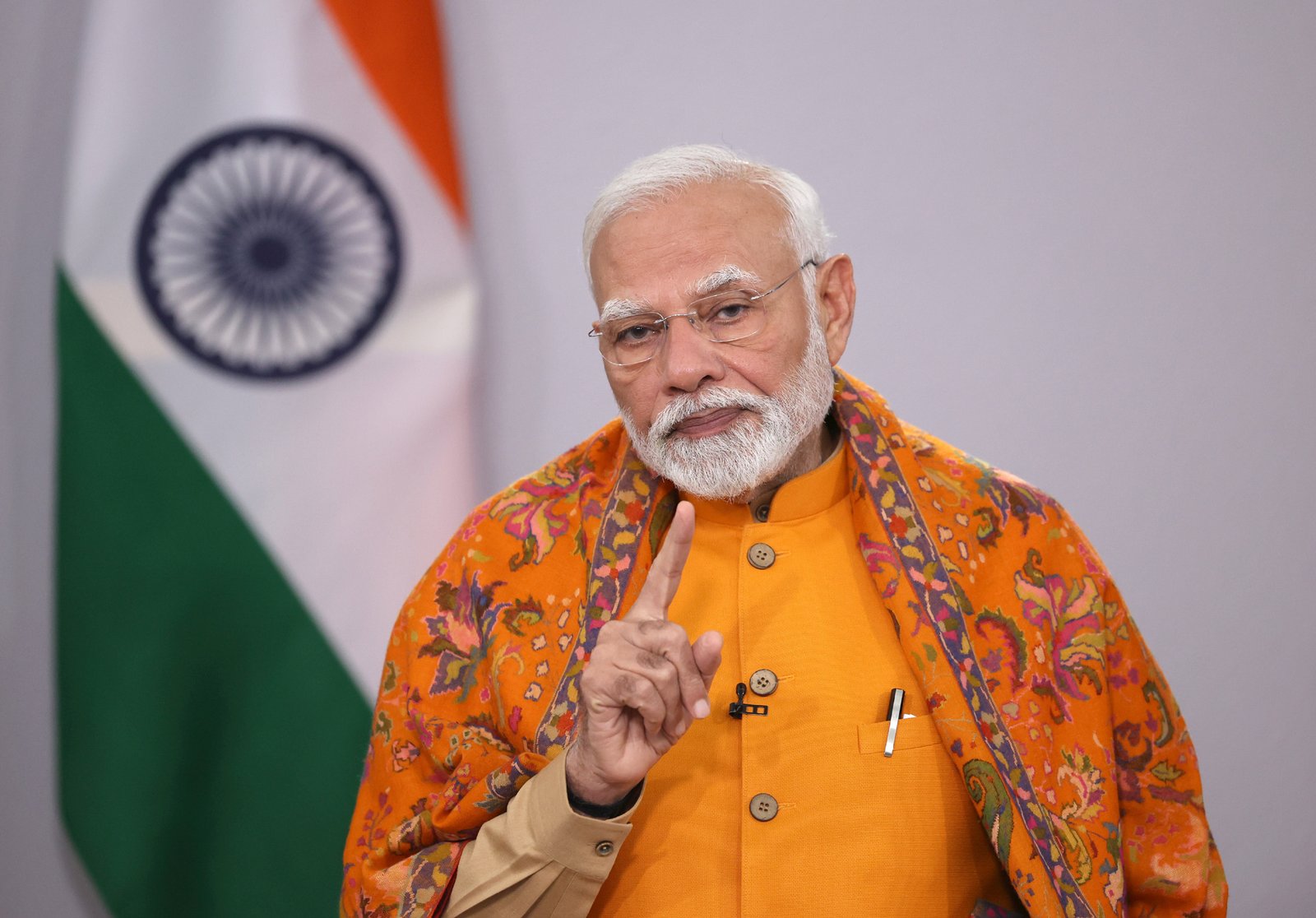
Narendra Modi is one of the most influential political leaders in modern India. His remarkable journey from helping his father sell tea at a small railway station in Gujarat to becoming the Prime Minister of the world’s largest democracy continues to inspire millions across the globe.
Known for his strong leadership, development-focused governance, and global diplomacy, Narendra Modi has transformed India’s political landscape over the years. His life story reflects determination, discipline, and an unwavering commitment to public service.
Early Life and Humble Beginnings
Narendra Damodardas Modi was born on September 17, 1950, in Vadnagar, Gujarat. He belonged to a modest family and was the third among six children. His father, Damodardas Modi, operated a tea stall near a railway station, where young Narendra often assisted him.
Growing up in a financially struggling household taught Modi the importance of hard work, discipline, and perseverance from an early age. Despite limited resources, he developed a strong interest in spirituality, Indian culture, and public service.
Inspired by the teachings of Swami Vivekananda, Modi cultivated a deep sense of patriotism and dedication toward the nation.
Growth of Modern Healthcare in India
Over the last few decades, India has made tremendous progress in modern healthcare infrastructure. The country now has thousands of hospitals, specialty clinics, research centers, and diagnostic laboratories equipped with advanced medical technologies.
Major Indian cities such as Hyderabad, Bengaluru, Mumbai, and Delhi are home to internationally accredited hospitals that offer treatments in cardiology, oncology, neurology, organ transplantation, and robotic surgery.
India has also become a major center for affordable healthcare services, making it a preferred destination for international patients seeking high-quality treatment at lower costs.
Joining the RSS and Early Public Service
During his teenage years, Narendra Modi became associated with the Rashtriya Swayamsevak Sangh (RSS). The organization played a major role in shaping his personality and leadership skills.
His involvement with the RSS taught him discipline, organizational management, and strategic thinking. Modi dedicated himself to social service and grassroots work, traveling across different parts of India to understand the challenges faced by ordinary citizens.
These experiences helped him develop a strong political vision focused on nationalism, development, and governance.
Entry into Politics and Rise in the BJP
In 1985, Narendra Modi officially joined the Bharatiya Janata Party (BJP). His exceptional organizational abilities and communication skills quickly earned him recognition within the party.
He played a key role in several BJP campaigns and political movements, including the Ekta Yatra, which promoted national unity and integrity.
By the mid-1990s, Modi emerged as one of the BJP’s most trusted strategists in Gujarat. His dedication and leadership eventually led to his appointment as the Chief Minister of Gujarat in 2001.
Narendra Modi as Chief Minister of Gujarat
Narendra Modi served as the Chief Minister of Gujarat for over a decade and focused heavily on economic growth, industrialization, and infrastructure development.
Under his leadership, Gujarat became one of India’s fastest-growing states. Initiatives such as the Vibrant Gujarat Summit attracted global investors and boosted employment opportunities.
His administration focused on:
- Infrastructure development
- Improved electricity supply
- Industrial expansion
- Agricultural reforms
- Ease of doing business
However, his tenure also faced criticism during the 2002 Gujarat riots, a tragic period that sparked national and international debates. Although investigations and court proceedings later cleared Modi of wrongdoing, the event remains a significant chapter in his political career.
Despite controversies, Modi continued to gain popularity as a development-oriented leader.
The Historic 2014 General Election Victory
In 2013, the BJP declared Narendra Modi as its prime ministerial candidate for the 2014 Lok Sabha elections.
His campaign focused on:
- Development
- Good governance
- Anti-corruption measures
- Employment opportunities
- Economic growth
The slogan “Acche Din” became a powerful message that connected with millions of Indians seeking change.
Narendra Modi also revolutionized political campaigning in India through social media, digital outreach, and massive public rallies. His communication style and energetic leadership created a nationwide wave of support.
In May 2014, the BJP secured a historic majority in the Lok Sabha, making Modi the 15th Prime Minister of India.
Major Policies and Reforms Under Narendra Modi
Since becoming Prime Minister, Narendra Modi has introduced several important initiatives aimed at transforming India.
Make in India
Launched in 2014, the Make in India initiative aimed to boost manufacturing and encourage investments in India.
Swachh Bharat Abhiyan
This nationwide cleanliness campaign focused on sanitation, toilet construction, and eliminating open defecation.
Digital India
Digital India promoted internet access, digital literacy, and online government services across urban and rural India.
Goods and Services Tax (GST)
The GST reform simplified India’s taxation system by creating a unified national tax structure.
Ayushman Bharat
This healthcare scheme provided affordable and free medical treatment to millions of economically weaker citizens.
Aatmanirbhar Bharat
The self-reliance initiative encouraged domestic manufacturing and reduced dependency on imports.
Narendra Modi’s Global Leadership
Narendra Modi has significantly strengthened India’s international presence. His government has focused on improving diplomatic relations with major countries, including:
- United States
- Japan
- Israel
- Southeast Asian nations
International events such as the “Howdy Modi” gathering in the United States highlighted India’s growing global influence under his leadership.
Modi’s foreign policy has emphasized economic partnerships, defense cooperation, and India’s strategic importance in global affairs.
The 2019 Re-Election and Key Decisions
In 2019, Narendra Modi secured another massive electoral victory, strengthening the BJP’s position in Indian politics.
During his second term, several major decisions were implemented, including:
- Abrogation of Article 370 in Jammu and Kashmir
- Citizenship Amendment Act (CAA)
- COVID-19 management and vaccination drives
- Expansion of infrastructure and digital services
These policies generated both support and criticism, but they reinforced Modi’s image as a decisive leader.
Narendra Modi’s Legacy and Vision for India
Narendra Modi’s life story represents determination, resilience, and ambition. From a tea seller in Gujarat to becoming a globally recognized political leader, his journey remains one of the most inspiring stories in Indian politics.
Supporters view him as a transformative leader who modernized India and strengthened its global image. Critics continue to debate several social and political issues under his leadership. Nevertheless, his influence on India’s development and governance is undeniable.
As India continues its journey toward economic and technological growth, Narendra Modi remains a central figure shaping the nation’s future.
Conclusion
The journey of Narendra Modi is a powerful example of how determination and hard work can overcome even the most challenging circumstances. His rise from humble beginnings to leading one of the world’s most powerful democracies has inspired millions worldwide.
Whether admired for his development policies, leadership style, or global diplomacy, Narendra Modi’s impact on India will remain significant for generations to come.