

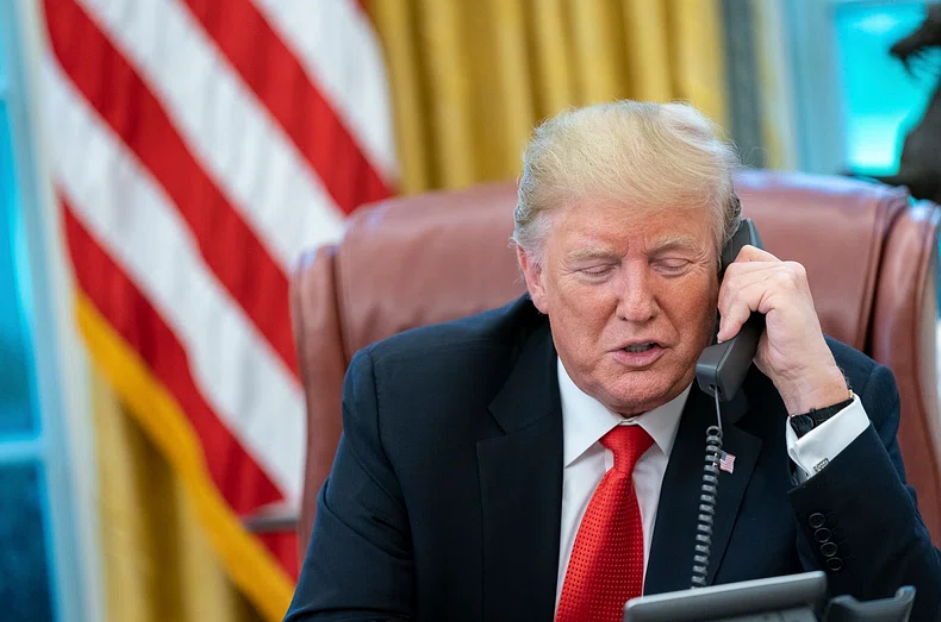
Donald Trump is one of the most influential and controversial figures in modern American history. Known for his success in real estate, his prominence in television, and his unconventional approach to politics, Trump has left a significant mark on both American society and global affairs.
His journey from a New York real estate developer to becoming President of the United States reflects ambition, determination, and a unique ability to capture public attention. This biography explores Donald Trump’s early life, business ventures, political rise, presidential achievements, controversies, and enduring influence.
Early Life and Education
Donald John Trump was born on June 14, 1946, in the New York City borough of Queens. He was the fourth of five children born to Fred Trump, a successful real estate developer, and Mary Anne MacLeod Trump.
Growing up in a business-oriented family, Trump was exposed to entrepreneurship and property development from an early age. His father built a thriving business focused on residential housing developments throughout New York.
At the age of 13, Trump was enrolled in the New York Military Academy, where he developed leadership skills, discipline, and a competitive spirit. After completing high school, he attended Fordham University before transferring to the prestigious Wharton School at the University of Pennsylvania, where he earned a degree in economics in 1968.
Building the Trump Real Estate Empire
After graduating from college, Trump joined his family’s real estate business, which later became known as the Trump Organization.
Determined to expand beyond residential housing projects, Trump shifted his focus toward high-profile developments in Manhattan. During the 1970s and 1980s, he established himself as one of New York City’s most recognizable real estate developers.
Trump Tower
One of Trump’s most iconic achievements was the construction of Trump Tower, completed in 1983. Located on Fifth Avenue in Manhattan, the luxury skyscraper became the headquarters of the Trump Organization and a symbol of the Trump brand.
Expansion into Casinos and Hospitality
Trump expanded into the gaming and hospitality industries by developing several casinos in Atlantic City, including the famous Trump Taj Mahal. He also acquired luxury properties such as the Plaza Hotel in New York City.
While these ventures increased his public profile, they also led to substantial debt. During the early 1990s, several Trump-owned businesses faced financial difficulties and bankruptcy restructurings. Nevertheless, Trump successfully maintained his personal brand and continued pursuing new business opportunities.
Becoming a Television Star
Donald Trump’s popularity grew significantly when he became the host of the reality television show The Apprentice in 2004.
The show featured contestants competing in business-related challenges, with Trump evaluating their performance and famously declaring, “You’re fired” to eliminated participants.
The Apprentice transformed Trump into a global celebrity and strengthened his image as a successful businessman. The program introduced him to millions of viewers and played a major role in shaping his future political appeal.
Donald Trump’s Entry into Politics
Although Trump had expressed political ambitions for decades, he officially launched his presidential campaign in 2015 as a Republican candidate.
His campaign centered around the slogan “Make America Great Again” (MAGA), which became one of the most recognizable political messages in modern American history.
Trump positioned himself as a political outsider who would challenge traditional Washington politics and focus on issues that resonated with many American voters.
His key campaign promises included:
- Strengthening border security
- Reforming immigration policies
- Reviving American manufacturing
- Renegotiating international trade agreements
- Reducing government bureaucracy
- Creating new employment opportunities
Despite facing criticism from political opponents and media organizations, Trump built a strong grassroots movement that helped propel him to victory.
The Historic 2016 Presidential Election Victory
In November 2016, Donald Trump defeated Hillary Clinton in one of the most surprising elections in U.S. history.
By securing a majority of Electoral College votes, Trump became the 45th President of the United States.
His victory reflected growing voter dissatisfaction with traditional political institutions and demonstrated the effectiveness of his unconventional campaign strategy.
Major Policies and Achievements During Trump’s Presidency
Trump’s presidency was marked by significant policy changes and major national debates.
Tax Reform
One of the administration’s most notable legislative achievements was the Tax Cuts and Jobs Act of 2017. The law reduced corporate tax rates and introduced tax changes intended to stimulate economic growth and investment.
Immigration Policies
Immigration remained a central focus of Trump’s presidency. His administration implemented stricter border enforcement measures and pursued policies aimed at reducing illegal immigration.
These actions generated strong support among his supporters while drawing criticism from opponents and human rights organizations.
Foreign Policy Initiatives
Trump adopted an unconventional approach to international relations. His administration focused on renegotiating trade agreements and encouraging allies to increase defense spending.
Notable foreign policy developments included:
- Direct diplomatic engagement with North Korea
- Brokering the Abraham Accords between Israel and several Arab nations
- Revising trade relationships with major economic partners
Economic Growth
Before the COVID-19 pandemic, the United States experienced low unemployment rates and strong stock market performance. Supporters credited Trump’s economic policies for contributing to business confidence and economic expansion.
COVID-19 and National Challenges
The outbreak of the COVID-19 pandemic became one of the defining challenges of Trump’s presidency.
His administration launched Operation Warp Speed, a program designed to accelerate vaccine development and distribution. The initiative played a major role in producing vaccines in record time.
At the same time, Trump’s handling of the pandemic generated intense political debate regarding public health measures, communication strategies, and federal response efforts.
Impeachments and Political Controversies
Donald Trump made history as the first U.S. president to be impeached twice by the House of Representatives.
The first impeachment occurred in 2019 and involved allegations related to interactions with Ukraine.
The second impeachment followed the events surrounding the January 6, 2021 attack on the U.S. Capitol.
In both cases, the Senate voted to acquit Trump, allowing him to avoid removal from office.
These events further intensified political divisions and contributed to ongoing debates about his leadership and legacy.
Trump’s Influence After the Presidency
Following the end of his first presidential term in 2021, Trump remained one of the most influential figures in American politics.
His continued involvement in political campaigns, endorsements, and public events demonstrated his strong influence within the Republican Party and among millions of supporters across the country.
His political movement continues to shape discussions on immigration, trade, foreign policy, and the future direction of American conservatism.
Donald Trump’s Legacy
Donald Trump’s legacy remains one of the most debated topics in contemporary politics.
Supporters view him as a leader who challenged the political establishment, prioritized American economic interests, and reshaped the Republican Party.
Critics argue that his rhetoric and governing style contributed to political polarization and raised concerns about democratic norms.
Regardless of perspective, Trump’s impact on American politics, media, and public discourse is undeniable.
Conclusion
The life story of Donald Trump is a remarkable journey through business, entertainment, and politics. From building a global real estate brand to serving as President of the United States, he has remained one of the most recognized and influential public figures of the modern era.
Whether viewed as a transformative leader or a controversial political figure, Donald Trump’s role in shaping 21st-century American politics will continue to be studied and debated for generations to come.