

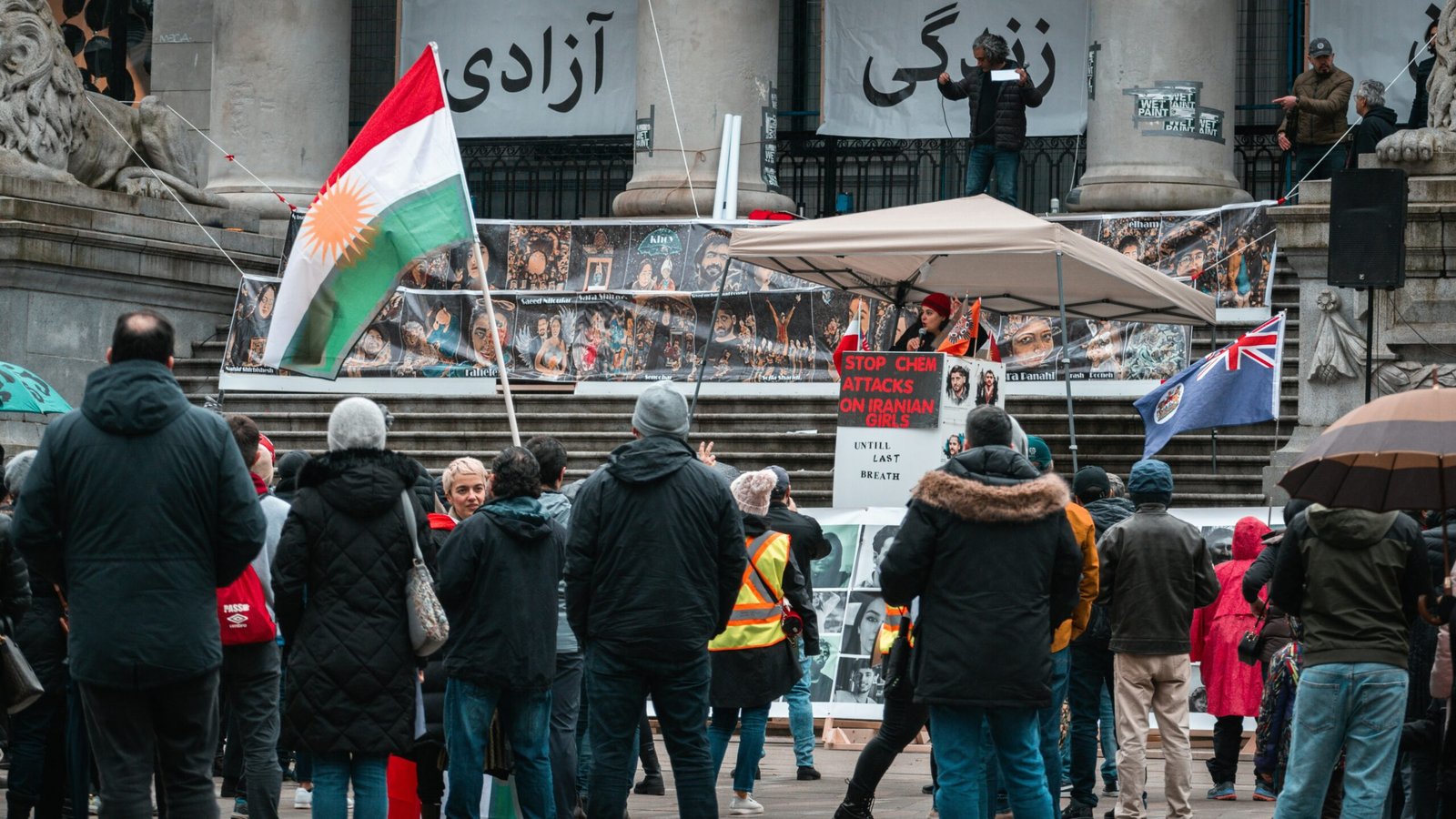
Introduction to the Iran-U.S. War
The ongoing conflict between Iran and the United States is rooted in a complex tapestry of historical events, ideological differences, and geopolitical interests. The tensions can be traced back to the mid-20th century, with significant milestones such as the 1953 CIA-led coup that reinstated the Shah of Iran and the subsequent 1979 Iranian Revolution, which led to the establishment of the Islamic Republic. These pivotal moments ignited a stark anti-American sentiment in Iran, fundamentally shifting perceptions and relationships.
In the decades following the revolution, relations remained strained as both nations engaged in various forms of confrontation, from economic sanctions to military engagements in the region. Notably, the U.S. designating Iran as a state sponsor of terrorism and its involvement in conflicts across the Middle East, including in Iraq and Syria, have further exacerbated tensions. The U.S. military presence in the region, viewed by Iran as a direct threat to its sovereignty, has also fueled hostilities.
Recent developments, particularly the U.S. withdrawal from the Joint Comprehensive Plan of Action (JCPOA) in 2018, have significantly escalated hostilities. This decision not only reinstated sanctions but also heightened fears of military confrontation, as both nations exchanged threats and engaged in proxy conflicts across the region. Key players in this confrontation include not only the U.S. and Iran but also regional allies and adversaries, such as Israel, Saudi Arabia, and various militia groups in Iraq and Syria.
The motivations driving this ongoing conflict are multifaceted, incorporating national security concerns, economic interests, and the pursuit of regional dominance. Both nations continue to navigate a landscape marked by mistrust, making the prospect of resolution increasingly complex. Understanding the historical context and the motivations of each party is crucial to grasp the broader implications of the Iran-U.S. conflict on global stability, particularly concerning energy markets and gas shortages that impact many countries around the world.
Overview of Gas Production in Iran
Iran is one of the world’s leading natural gas producers, possessing the second-largest reserves globally, after Russia. Prior to the onset of conflict, Iran’s gas production capacity was significant, generating approximately 220 billion cubic meters of natural gas annually. This robust production capacity has played a crucial role in shaping not only Iran’s economy but also its geopolitical relationships.
The natural gas sector is a cornerstone of Iran’s economy, contributing over 60 percent of the total energy supply. An essential source of revenue, gas exports have allowed Iran to economically sustain itself despite international sanctions. Many countries, particularly in the region, have come to rely on Iranian gas. Notably, Turkey, Armenia, and Iraq are major importers, benefiting from the relatively low transportation costs associated with pipelines that traverse their borders.
Infrastructural development related to gas production in Iran has progressed significantly over the years. The South Pars field, the largest gas field in the world, is a prime example, accounting for more than half of Iran’s gas production. Enhanced production technologies, such as advanced drilling techniques and refinery capabilities, have helped Iran to maximize its output, enabling better management of its vast reserves.
Prior to the conflict, Iran’s gas industry was poised for expansion, with plans to increase production further and broaden its export capacity. This entailed potential partnerships with foreign companies and investments in infrastructure improvements to support liquefied natural gas (LNG) projects. However, existing geopolitical tensions and sanctions have complicated these initiatives, impacting both domestic consumption and international supply chains.
The Impact of War on Gas Production and Supply
The prolonged conflict between Iran and the United States has considerably disrupted the landscape of gas production and supply in the region. As military strategies unfold, they tend to target not only the infrastructure directly associated with energy extraction but also the trade routes vital for gas distribution. The targeting of production sites has led to reduced output from one of the world’s largest natural gas reserves, creating notable implications for both regional and global gas supplies.
Specifically, Iran’s gas facilities, which are critical for its economy, have experienced disruptions due to military actions directed at these installations. Such instability contributes to hesitance among foreign investors who are crucial for maintaining and expanding Iran’s gas operations. The consequences are compounded by sanctions that generally restrict Iran’s ability to export gas, thus limiting its presence in the global market.
In addition to direct attacks on production facilities, the conflict has severely affected logistic routes used for gas transportation. Critical pipelines traversing the region face threats from military activities and sabotage, leading to an uneven supply chain and increased costs associated with the safe transportation of gas. The vulnerability of these routes has rendered Iran less competitive in the global market where pricing stability is paramount.
The ramifications of reduced gas production and disrupted supply chains extend beyond Iran’s borders. Countries heavily reliant on Iran for gas imports face imminent shortages, compelling them to seek alternative suppliers, often at inflated prices. This change in the supply landscape is likely to escalate energy prices globally, reflecting the interconnected nature of international gas markets and the implications of geopolitical conflicts on energy security.
Regional Countries Affected by Gas Shortages
The ongoing Iran-U.S. conflict has resulted in significant gas shortages, affecting several regional countries that depend on Iranian gas supplies or are influenced by volatile gas prices. Particularly vulnerable are nations such as Iraq, Turkey, and Lebanon, which have increasingly felt the repercussions of these disruptions.
Iraq has historically relied heavily on Iranian gas to fuel its power plants and sustain its energy sector. With the escalating tensions, Iraq faces severe electricity shortages, exacerbating the country’s already struggling infrastructure. To mitigate these impacts, Iraq is exploring alternative sources of gas, including negotiations with neighboring states and potential investments in renewable energy solutions. However, the immediate reliance on Iranian gas remains a critical issue.
Turkey, another significant player in the regional gas landscape, purchases Iranian gas to satisfy its energy demands. The Iran-U.S. conflict has led to an uncertain gas supply situation for Turkey, compelling the country to explore alternative energy routes and suppliers. Turkey’s diversification strategy includes securing liquefied natural gas (LNG) from global markets, which can offset any severe disruptions in Iranian gas supply. Nevertheless, fluctuations in gas prices remain a concern for Turkey’s economy, impacting overall energy costs.
Lebanon has faced an energy crisis for several years, and the ongoing tensions have only worsened its situation. The country relies on imports of gas and electricity from neighboring states, which become increasingly unstable due to the conflict. This dire situation has sparked public discontent and prompted national discussions about energy independence and the need for structural reforms to the energy sector.
Overall, the impacts of the Iran-U.S. conflict on gas shortages resonate through these neighboring countries, compelling them to navigate a complex web of energy dependence, economic challenges, and the quest for energy security amidst ongoing geopolitical tension.
Global Implications of Gas Shortages
The ongoing conflict between Iran and the United States has significant repercussions on the global gas market, particularly in terms of scarcity and pricing. As tensions rise, the reliability of gas supply becomes increasingly uncertain, leading to substantial fluctuations in gas prices. Countries reliant on imported gas may experience increased costs, which can drive inflation and impact economic stability. This is particularly evident in Europe and parts of Asia, where nations depend heavily on gas imports from regions affected by geopolitical conflicts.
In Western Europe, the reliance on gas as a primary energy source renders nations vulnerable to supply disruptions. When gas production in the Middle East faces interruptions due to conflict, the effects ripple through the European markets, resulting in higher prices for consumers and businesses alike. Consequently, countries such as Germany and France may need to seek alternative sources of energy, pushing them towards renewables or other fossil fuels, which may not only be less efficient but can also lead to longer-term energy security issues.
Additionally, gas shortages can alter international relations, as nations scramble to secure energy resources. Countries with abundant gas reserves may find themselves in more advantageous bargaining positions, possibly increasing their influence on the global stage. The geopolitical landscape may shift as countries form alliances based on energy-sharing agreements, further complicating the intricate web of international relations.
Lastly, the implications of gas shortages extend beyond immediate pricing and supply concerns. Enhanced energy security emerges as a critical focus, with countries reevaluating their energy strategies to reduce dependence on volatile regions. The search for reliable energy sources may drive investments in renewable technologies or create opportunities for stronger partnerships with less volatile energy suppliers, thus reshaping the future energy landscape.
Economic Consequences for Iran
The decline in gas production in Iran has significantly impacted the country’s economy, exacerbating existing challenges and creating new ones. One of the most immediate economic consequences is the inflation rate, which has surged due to decreased domestic gas supplies. With gas being a critical component for various sectors, including transportation and manufacturing, this shortage has driven up operational costs. As a result, businesses have passed on these costs to consumers, leading to higher prices for goods and services.
Moreover, the decline in gas revenues has led to an increase in unemployment rates across the nation. Many workers in the energy sector and its related industries are facing job losses as companies cut down on production and operational expenditures. The situation is particularly dire for unskilled labor, which makes up a significant portion of the workforce that heavily relies on gas sector jobs. This displacement poses a threat to social stability as families struggle to make ends meet amid rising prices and fewer employment opportunities.
Additionally, public services in Iran, which heavily depend on gas revenues for their funding, have also been adversely affected. Hospitals, schools, and infrastructure projects are experiencing funding cuts, leading to a deterioration in service quality. The dependence on gas revenue has left these services vulnerable to market fluctuations, and as gas production diminishes, the availability and efficacy of essential services continue to decline. This cycle creates a feedback loop that can further destabilize the economy, impacting overall growth and development for the Iranian populace.
Responses from the International Community
The ongoing conflict between Iran and the United States has garnered a range of reactions from the international community, reflecting both diplomatic efforts and economic strategies aimed at addressing the resulting gas shortages. Countries around the globe have expressed varying degrees of concern ranging from condemnation of unilateral sanctions to advocacy for a negotiated resolution to the conflict.
One of the most significant responses has come from the European Union, which has attempted to mediate between the parties while highlighting the importance of preserving the Joint Comprehensive Plan of Action (JCPOA). The EU’s diplomatic initiatives focus on ensuring that Iran remains engaged in dialogue, which is essential in mitigating gas shortages that affect both Iranian citizens and global markets.
In contrast, nations such as the United States have intensified their sanction regimes, targeting Iran’s energy sector to curtail its access to resources. These sanctions, while aimed at pressuring the Iranian government, have inadvertently led to increased gas prices and shortages across various other regions, demonstrating the ripple effects of the conflict.
Humanitarian considerations have also emerged in response to the crisis. International organizations, including the United Nations and Red Cross, have voiced concerns regarding the humanitarian impact of sanctions on civilians. They have advocated for the protection of humanitarian aid channels to ensure that essential supplies, including fuel, can reach those in dire need without obstruction from political hostilities.
The responses from the international community underscore the delicate balance of diplomacy and economic pressures in addressing the complexities of the Iran-U.S. conflict. As the situation evolves, it remains crucial for nations and organizations to navigate these challenges while striving to alleviate the humanitarian consequences resultant from gas shortages.
Future Prospects for the Iran-U.S. Conflict
The Iran-U.S. conflict has continued to evolve, driven by a complex interplay of diplomatic negotiations, military actions, and energy policies. As both nations navigate their geopolitical ambitions, the potential scenarios for the future landscape of this conflict could vary significantly. Diplomatic negotiations have historically provided a pathway to de-escalation, yet the effectiveness of such discussions is often contingent on external pressures and internal politics within both countries.
Military escalations remain a significant concern that could complicate any diplomatic resolution. The presence of U.S. military forces in the region, coupled with Iran’s assertive posture regarding its nuclear program and regional influence, could lead to heightened tensions. Any miscalculation by either party has the potential to spiral into broader hostilities that may affect not only Iran and the U.S. but also neighboring countries and global energy markets.
Shifts in energy policies represent another critical factor in determining the future of the Iran-U.S. relationship. With a growing global emphasis on renewable energy and decreasing reliance on fossil fuels, the traditional significance of oil in geopolitical strategies is shifting. However, for the time being, natural gas and oil remain central to both economies. As sanctions and counter-sanctions are imposed, the dynamics of energy supply and demand could influence each nation’s willingness to engage in conflict or cooperation.
Looking ahead, the future of the Iran-U.S. conflict remains uncertain. Factors such as evolving global energy markets, geopolitical alliances, and domestic political developments will play a pivotal role in shaping outcomes. The potential for diplomatic breakthroughs exists, yet the precarious balance of power in the Middle East and the volatility of international relations suggest that the risk of escalation may persist. Monitoring these developments will be crucial for understanding how this conflict might unfold in the years to come.
Conclusion: The Path Forward
The multifaceted conflict between Iran and the United States has significant implications for global energy markets, particularly in the context of gas shortages. Throughout this discussion, we have outlined how geopolitical tensions can disrupt supply chains, affect production levels, and ultimately lead to scarcity in gas supplies. Countries heavily reliant on imported gas could face dire economic challenges as a result of these shortages, triggering inflation and possibly energy crises.
To address these pressing issues, it is pivotal that international cooperation emerges as a cornerstone for resolution. Nations must engage in diplomatic negotiations that prioritize conflict resolution over territorial claims and sanctions. A bilateral approach involving not only the U.S. and Iran but also other energy-producing and consuming nations is essential to promote stability in the gas market. Such collaborations could pave the way for agreements that prioritize energy security and protect countries vulnerable to sudden gas supply disruptions.
Moreover, enhancing diversification in energy sources can serve as a buffer against geopolitical shifts. Investing in renewable energy, strengthening logistical infrastructures, and developing local resources will prove beneficial for nations seeking to mitigate the effects of ongoing tensions. Enhanced technological innovations in energy efficiency could further support efforts to reduce dependency on vulnerable supply chains.
Ultimately, resolving the complexities inherent in the Iran-U.S. conflict will not only stabilize gas supplies but also foster a more cohesive global energy strategy. By uniting nations in pursuit of shared goals, it will be possible to navigate through these challenging circumstances, aiming toward an energy future that is both sustainable and secure for all parties involved.
 Raj Kumar